
What Are Protea Flowers? A Guide to the Ancient Blooms of Highline Adventures
If you have ever walked through the Santa Ynez Valley hills at Highline Adventures, you have probably stopped mid-step and asked the same question nearly every guest asks: what are protea flowers? These striking, otherworldly blooms look like something out of a fantasy film, and for good reason — they are among the oldest flowering plants on Earth, with a lineage stretching back roughly 90 million years. At Highline Adventures, guests can walk right up to living fields of these ancient flowers on a guided Protea Tour, making the Santa Ynez Valley one of the few places in California where you can see them growing at scale.
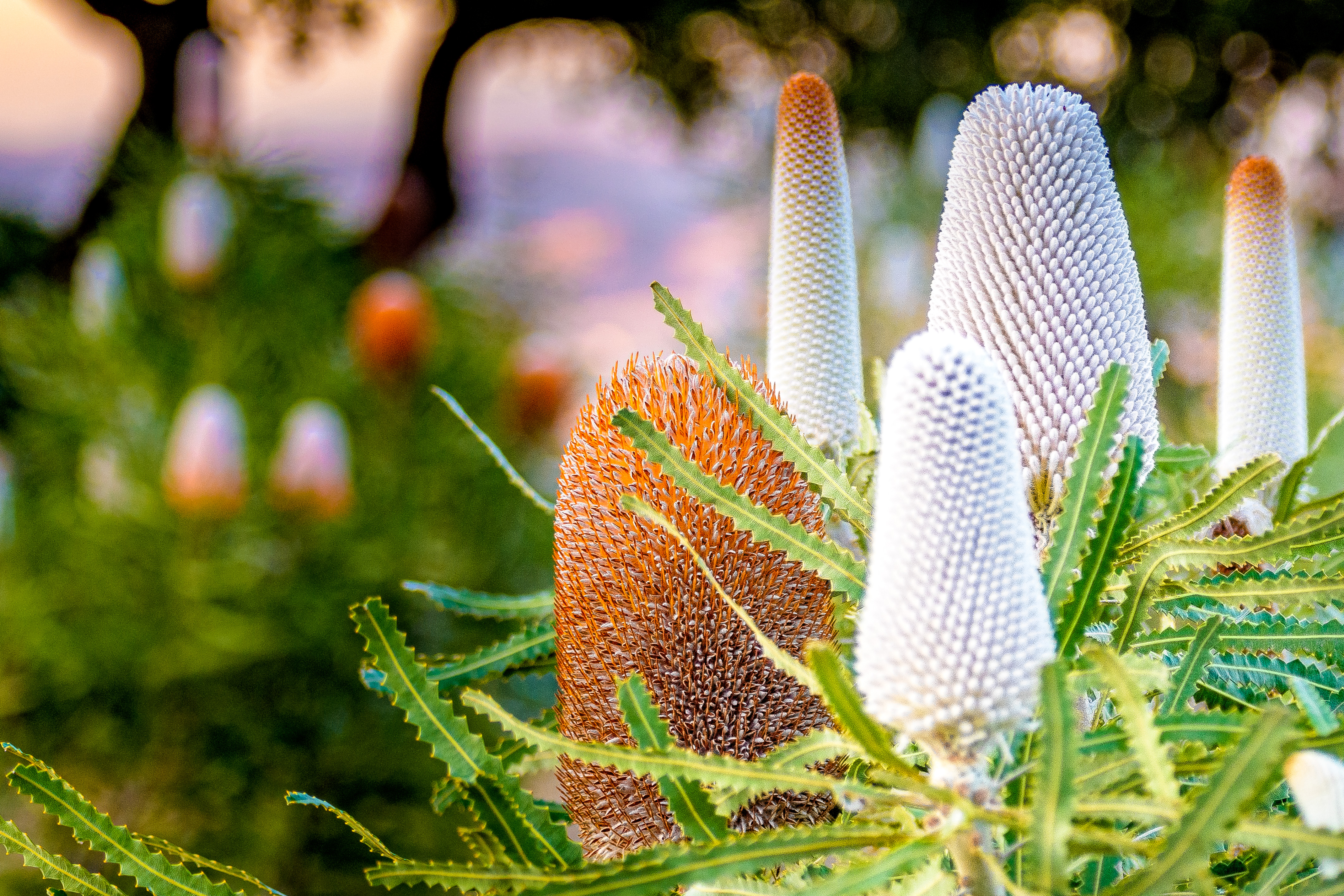
What Are Protea Flowers, Exactly?
Protea flowers belong to the Proteaceae family, a group of flowering plants named after Proteus, the shape-shifting Greek sea god — a fitting name, since protea species come in an astonishing range of shapes, sizes, and colors. Native to South Africa and Australia, protea plants evolved long before most modern flowering plants existed, which is why they still look so unlike anything else in a typical garden.
Key facts about protea flowers:
- They are one of the oldest flowering plant families in the world, dating back approximately 90 million years.
- The family includes over 1,600 species, ranging from the giant King Protea (South Africa's national flower) to smaller, spikier varieties.
- Their thick, waxy petals and sturdy structure allow them to survive in nutrient-poor soil and harsh, dry climates — a trait that makes them well-suited to the Santa Ynez Valley's Mediterranean climate.
- Protea flowers are prized in the cut-flower industry worldwide for their exceptional vase life, often lasting two to three weeks after cutting.
How Did Protea Flowers End Up in the Santa Ynez Valley?
It is a fair question — these flowers evolved half a world away, in South Africa and Australia. The Santa Ynez Valley shares a similar Mediterranean climate to South Africa's Western Cape: warm, dry summers and mild, wet winters. That climate overlap has made Central California, and the Santa Ynez Valley specifically, one of the few regions outside the Southern Hemisphere capable of successfully growing protea flowers at scale.
At Highline Adventures, guests can explore these fields firsthand on the property's rolling 1,200-acre ranch in the hills south of Buellton and Solvang. The ranch's elevation, drainage, and coastal-influenced climate happen to mirror the exact growing conditions protea plants need, which is part of why the tour has become such a distinctive addition to the Highline Adventures experience lineup.
What to Expect on a Protea Tour
The Protea Tour at Highline Adventures is a relaxed, educational walking experience — a deliberate contrast to the adrenaline of the property's zipline and ropes course offerings. Guides lead small groups through the flower fields, sharing the history, biology, and cultivation story behind these ancient plants.
- Duration: Approximately 1 to 1.5 hours
- Pace: A gentle walking tour suitable for nearly all fitness levels
- Price: Starting around $50 per guest
- Best for: Families, garden enthusiasts, photographers, and anyone looking for a quieter counterpoint to the property's bigger thrills
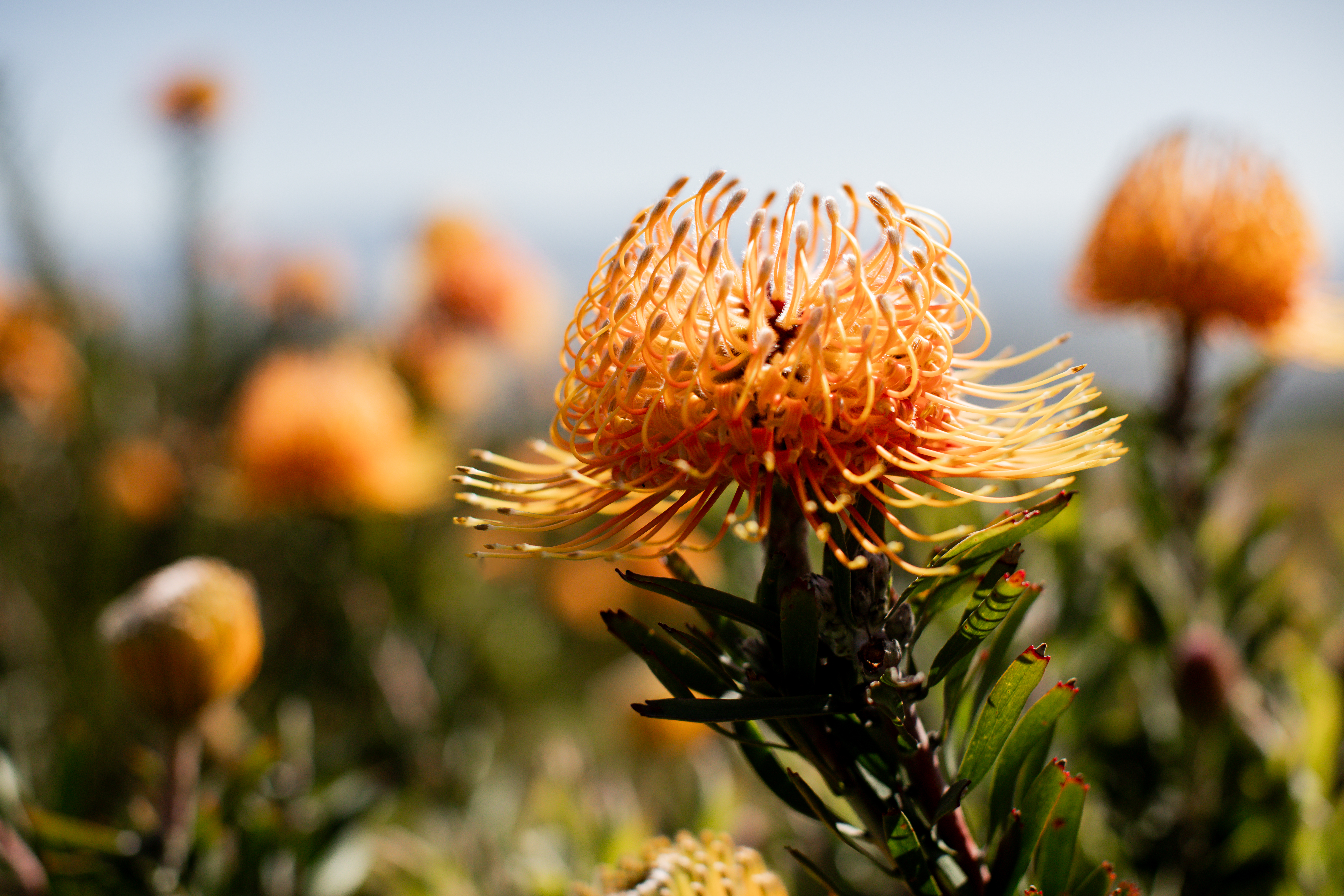
Why Protea Flowers Matter Beyond Their Looks
Protea flowers are not just a pretty backdrop for photos — they play a genuine role in environmental education, one of the five pillars behind everything Highline Adventures does. Understanding how a 90-million-year-old plant family survives and thrives gives visitors a window into plant evolution, climate adaptation, and the delicate balance of introducing non-native species responsibly.
A few reasons protea flowers are worth learning about:
- They are considered a keystone species in their native fynbos ecosystems in South Africa, supporting pollinators like sugarbirds and sunbirds.
- Their fire-adapted biology — many species actually require fire or smoke to trigger seed germination — offers a fascinating case study in ecological resilience.
- Growing them successfully in California requires careful attention to soil pH, drainage, and irrigation, giving guides plenty of material to share about sustainable horticulture.
Pairing a Protea Tour With Other Highline Adventures
Because the Protea Tour is lower-intensity, it pairs naturally with almost anything else on the Highline Adventures schedule. Many guests build a full day around it:
- Start the morning with the zipline tour for an adrenaline rush, then unwind with an afternoon walk through the flower fields.
- Bring the kids to the Adventure Park or Skynet Playground first, then let everyone catch their breath on the calmer Protea walk.
- Combine it with a Hike and Fly for a full day of movement — climbing, flying, and finally strolling through one of California's rarest botanical sights.
Planning Your Visit
Highline Adventures operates on a reservation-only basis, so booking ahead is essential, especially during peak bloom season in the spring and early summer. Guests with questions about timing, what to wear, or accessibility can check the FAQ page before arriving, and the directions page has everything needed to find the ranch at 700 E Hwy 246 in Buellton.
Whether you come for the ziplines, the ropes course, or simply to see flowers that predate most of the plant kingdom, a stop at the Protea fields is one of the more quietly memorable parts of a Highline Adventures visit — the kind of detail guests remember long after the adrenaline fades.
Highline Adventures provides an exciting venue for families, adventure enthusiasts, and nature lovers to explore and learn about the breathtaking landscape and local history of the Santa Ynez Valley.